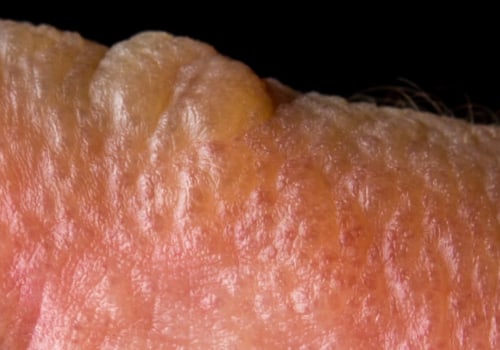
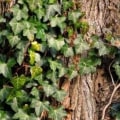
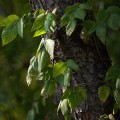
Poison ivy is often underestimated as a minor nuisance, but over time it can become a serious threat to property safety and usability. This invasive plant spreads aggressively, climbing trees, fences, sheds, and even home exteriors. Its toxic oil, urushiol, can cause severe skin reactions with even brief contact, putting residents, visitors, and maintenance workers at risk. Because poison ivy is resilient and adaptable, ignoring it allows the plant to expand unchecked, increasing both health hazards and long-term property management challenges.
Reducing Health Risks for Residents and Visitors
One of the most immediate benefits of poison ivy removal is improved safety for anyone who uses or visits the property. Exposure can occur through direct contact, contaminated tools, clothing, or even pet fur. In residential and commercial settings alike, this creates liability concerns and limits how outdoor spaces can be used. Long-term safety depends on eliminating the plant at its source rather than repeatedly avoiding affected areas. Removal restores confidence in outdoor environments, allowing yards, walkways, and recreational spaces to be used without constant concern.
Protecting Structures and Landscaping
Poison ivy does more than cause skin irritation—it can also damage property features over time. As it climbs, it adds weight and moisture retention to trees, fences, and structures, contributing to rot and weakening surfaces. When poison ivy overtakes shrubs or young trees, it competes for nutrients and sunlight, stunting healthy growth. Removing poison ivy helps preserve landscaping investments and prevents structural degradation caused by unchecked vine growth. This proactive step supports the long-term durability of both natural and built elements on a property.
Preventing Aggressive Spread and Recurrence
Poison ivy spreads through root systems, runners, and seeds, making partial removal ineffective. Cutting vines at ground level without addressing roots often leads to rapid regrowth. Long-term safety depends on thorough removal methods that eliminate both visible plants and underground systems. Consistent monitoring after removal is equally important, as early intervention prevents reestablishment. This disciplined approach reduces the likelihood of repeated infestations that can make outdoor areas unsafe year after year.
Supporting Safe Maintenance and Outdoor Work
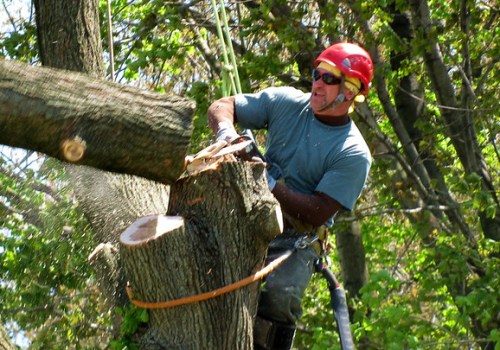
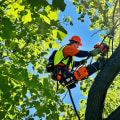
Properties require regular maintenance, from mowing and landscaping to repairs and inspections. Poison ivy makes these routine tasks hazardous, increasing the risk of exposure for homeowners and professionals alike. Removal creates safer working conditions and allows maintenance to proceed without protective barriers or costly delays. This is particularly important for properties with wooded edges, trails, or natural buffers where poison ivy commonly thrives. Coordinated efforts that align with broader landscape management—such as tree care in Marion, NC help ensure that removal supports overall property health rather than disrupting surrounding vegetation.
Environmental Balance and Responsible Removal
Effective poison ivy removal balances safety with environmental responsibility. Targeted removal techniques minimize disturbance to desirable plants and soil structure. When poison ivy is eliminated thoughtfully, native plants and grasses have space to recover, improving biodiversity and soil stability. This ecological balance reduces erosion and discourages the return of invasive species. Long-term property safety benefits when removal strategies consider both human health and environmental resilience.
Reducing Liability and Enhancing Property Value
From a legal and financial perspective, poison ivy can pose liability risks, especially in shared or public-access spaces. Proactive removal demonstrates responsible property management and reduces the chance of exposure-related claims. Additionally, well-maintained, hazard-free landscapes are more attractive to buyers, tenants, and visitors. Long-term property value is supported when outdoor spaces are safe, accessible, and visually appealing.
A Proactive Investment in Safety
How poison ivy removal supports long-term property safety ultimately comes down to prevention. By addressing health risks, protecting structures, limiting spread, and enabling safe use of outdoor spaces, removal becomes an investment rather than an expense. When combined with ongoing monitoring and integrated landscape care, poison ivy management ensures that properties remain safe, functional, and enjoyable for years to come.